Tired Landlords
What should you sort out before listing an occupied or vacant rental in Northeast San Antonio?
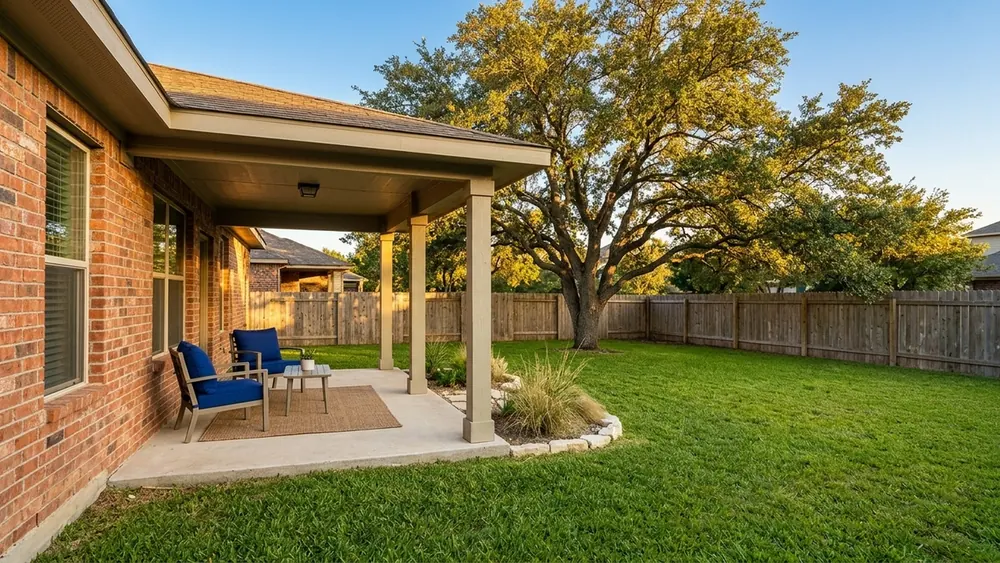
Sort out occupancy, access, condition and records before you list. Decide vacant or occupied first, plan showings around the lease, review the home honestly, and take lease and tax questions to the right professional.
On this page
- What to settle before the listing goes live
- Start with the occupancy decision
- Listing a rental with a tenant inside
- Listing a rental after it is empty
- Condition and repairs worth checking first
- Questions to answer before you list
- Records that make a rental easier to sell
- A calm next step for your rental
What to settle before the listing goes live
Before you list a rental in Northeast San Antonio, sort out four things: whether the home will be occupied or vacant, how buyers will get access, what condition the home is really in, and which records you can hand a buyer. Once those are settled, the listing itself becomes a matter of presenting the property clearly rather than solving problems after buyers start calling.
Occupancy comes first because it shapes the other three. An occupied home means coordinating access with a tenant and accepting the home as it is lived in. A vacant home means you control the condition and schedule, but the property sits empty while you prepare and sell it. Each path asks for a different kind of preparation. Neither path is wrong, and the lease often decides which one is realistic.
Settling these points early matters because a rental listing that starts unprepared tends to stall. Showings get canceled, buyers ask for records you have not gathered, and repairs come up during inspection that you could have planned for. A little sorting at the start keeps the sale steadier and gives you more control over each step. It also helps you set expectations with a tenant early, which tends to make the whole process calmer for everyone involved.
Start with the occupancy decision
Ask yourself a few honest questions. When does the current lease end? Is the tenant likely to cooperate with showings? Does the home need work that is hard to do with someone living there? How long can you comfortably carry the property empty? Your answers will usually point clearly toward listing occupied or waiting until the home is vacant.
Whatever you lean toward, check the lease terms with an attorney before you decide. What the lease allows, and what you owe the tenant, are landlord-tenant questions that should not be guessed at. Amanda Smith can then help you shape a listing plan around the path the lease and your own timing support. Getting that review first means the plan you build is one you can actually carry out.
I like to settle occupied or vacant before anything else. That one decision tells us how to prepare, how to show the home and what to plan for.
Listing a rental with a tenant inside
An occupied listing can work well when it is planned with care. The tenant’s daily life continues, so showings need predictable windows and clear communication about who is coming and when. A calm, respectful approach tends to keep cooperation steady, which matters because a tenant can make showings easier or much harder. Agreeing on a simple routine for showings, and sticking to it, does a great deal to keep the relationship steady.
Presentation looks different, too. You may not be able to stage, repaint or rearrange, and buyers will see the home as it is lived in. That is fine, as long as the listing is honest about it. Clear photos taken at a good time, accurate descriptions and a plan for answering questions about the lease help buyers picture the property fairly. Buyers generally understand that a rental is lived in and will look past ordinary signs of daily use.
Think about privacy as well. Personal items, tenant information and the details of the deposit should be handled carefully. Before sharing anything about the tenant with a buyer, ask an attorney what is appropriate. Amanda can coordinate the showing side, while the legal questions stay with the right professional. Keeping those roles separate protects you, the tenant and the buyer alike.
Listing a rental after it is empty
A vacant listing gives you more freedom. You can make repairs, clean thoroughly, refresh worn areas and show the home on your own schedule. Buyers see the property without someone else’s belongings, which can make it easier to imagine living there or to judge condition if they plan to keep it rented. It also gives you a chance to handle repairs that would be awkward or disruptive to finish while a tenant still lives in the home.
The tradeoffs are real, though. A vacant home does not produce rent, and the carrying costs keep running while it is prepared and listed. Someone needs to check on it, keep utilities and basic upkeep in order and watch for issues. Ask an insurance agent whether a vacant property changes anything about your coverage before the home sits empty.
Condition and repairs worth checking first
Rentals often carry wear that an owner does not see every day. Before listing, walk the home with fresh eyes, or have a licensed home inspector do a pre-listing review. Knowing what a buyer’s inspection is likely to find lets you decide what to fix, what to disclose and what to price around. This is especially useful for a rental, where small issues can build up unnoticed between tenants.
- Systems and appliances that have been patched rather than replaced
- Flooring, paint and fixtures worn by several rounds of tenants
- Any repair or permit question you are unsure about
- Smaller fixes that are easier to finish before showings begin
Not every item needs a repair. Some can simply be disclosed and left for the buyer to weigh. Questions about permits or city services can go to the City of San Antonio, the City of Converse, the City of Schertz or the right county office, depending on where the property sits. Amanda can help you think through which items are worth handling before showings and which can be left for the buyer to weigh.
Questions to answer before you list
It helps to see the main questions in one place, along with why each one matters and who can answer it. Use the table below as a working checklist. Some rows may not apply to your property, and you may add others as you go. The point is not to answer every question yourself, but to know who to ask and to ask before the listing goes live rather than after an offer arrives.
| Question | Why it matters | Who to ask |
|---|---|---|
| Will the home be occupied or vacant? | It shapes access, condition and timing | Amanda Smith, after an attorney reviews the lease |
| What does the lease allow during a sale? | It sets limits on showings and timing | An attorney |
| What will an inspection likely find? | It guides repairs and disclosure | A licensed home inspector |
| How could the sale affect my taxes? | Rental sales can raise different tax questions | A tax advisor |
| How are the lease and deposits handled at closing? | It avoids last-minute confusion between parties | A title or closing professional |
Working down this list before you list means each conversation has a clear purpose. You will know which questions are about the real estate side and which belong with an attorney, a tax advisor, an inspector or a title professional, and you will not be trying to answer all of them at once in the middle of an offer.
Records that make a rental easier to sell
Buyers of rental homes often ask for more history than buyers of a primary home. Gather the current lease, a list of repairs and replacements, service records, warranties, permits and anything that explains how the home has been maintained. Organized records help a buyer trust what they are seeing and help you answer questions steadily. Keeping them together in one place also makes it easier to hand them to a title or closing professional later.
If some records are missing, note what you do know and what you do not. Honest gaps are easier to manage than guesses. A buyer can then decide what to verify with an inspector or their own advisors, and the sale moves forward on clear information rather than assumptions on either side. Being upfront about what is missing also keeps the conversation with buyers straightforward when they start asking questions.
A calm next step for your rental
Before a first conversation, write down your occupancy preference, the lease end date, the repairs you already know about and the records you have on hand. Add the questions you still have for an attorney, a tax advisor or a lender. That short list turns a general wish to sell into a focused, practical planning session. Even a rough list helps, because it shows which decisions are already made and which still need a professional’s input.
When you are ready, bring it to Amanda Smith at IH-10 Realty. Tell Amanda what you are trying to figure out about your rental in Northeast San Antonio, Converse or Schertz, and you can work through occupied versus vacant, condition and records together before anything is listed. There is no pressure to list on a set schedule, just a clearer picture of your options and the order to take them in.
This article is general information about buying and selling homes in Northeast San Antonio, Converse and Schertz. It is not legal, tax, lending, probate, landlord-tenant or inspection advice and does not predict prices or promise results. Take divorce, probate and landlord-tenant questions to an attorney, tax questions to a tax advisor, financing to a lender, property condition to a licensed home inspector, and taxes, schools and flood rules to official city and county sources. Amanda Smith, IH-10 Realty.

Written by