Divorce Home Sales
What paperwork and access issues can slow a divorce listing in Converse or Schertz?
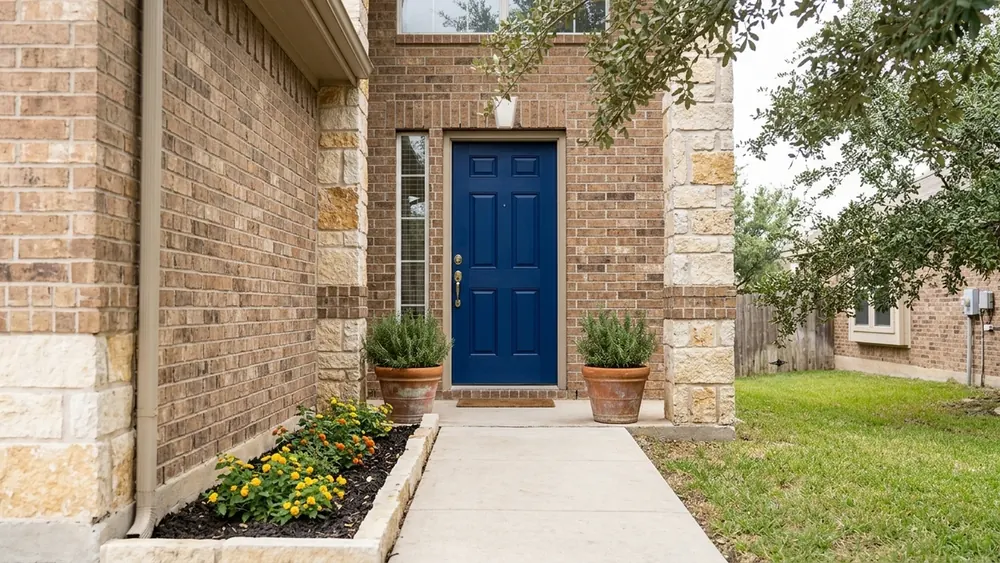
Divorce listings in Converse or Schertz most often slow down over missing signatures, unclear authority to decide, scattered home records, payoff questions and showing access when owners live apart. Sorting each one early keeps the sale moving.
On this page
The issues that slow a listing most
The paperwork and access issues that most often slow a divorce listing in Converse or Schertz are fairly predictable: uncertainty about who has to sign, home records that only one owner can find, open questions about the mortgage payoff, and showing access when the owners live apart. None of these is unusual on its own. Together, they can stretch out steps that would normally take very little effort.
Why focus on them before listing? Because each one is easier to solve calmly at the start than under pressure once a buyer is waiting. A missing document or an unclear approval process is a small task when you have time. It becomes a frustrating delay when an offer is on the table and both owners need to respond. Planning ahead also keeps both owners from feeling rushed into choices they would rather think through.
This article walks through each issue, who usually answers it and what you can do ahead of time. It stays on the real estate side. Anything involving legal authority, the division of proceeds or court timing is a question for your attorneys, and Amanda Smith helps co-owners keep the real estate next steps clear while that work continues.
Unclear authority to sign and decide
The first slowdown is often a simple question: who is allowed to sign? In an ordinary sale, the owners on title sign together. In a divorce, there may be questions about whether both must sign everything, whether one can act alone on certain items, or whether something must happen in the legal process first. Those are not real estate questions, and they should not be guessed at. Asking the right person first saves both owners time.
Ask your attorneys before a listing agreement is prepared, and ask the title or closing professional what they will need to see at closing. Having both answers early means a listing is not paused halfway through because a signature or a document turns out to be missing. It also means both owners hear the same answer from the people who should give it.
I ask co-owners to settle who signs and who decides before we list. It is a short conversation early, and it saves a much longer one later.
Home records scattered between two households
Buyers and their advisors tend to ask about the home’s history: repairs, replacements, warranties, permits and anything known about its condition. During a divorce, those records are often split between two households, or kept by the owner who handled the house. When a question comes up during a listing, the answer may be sitting in a drawer across town. A buyer waiting on an answer may start to wonder why it is taking so long.
Gathering records before listing avoids that. Each owner can look through what they have and share copies, so both are working from the same information. If neither owner has a record, that is useful to know too, because it shapes how a question is answered rather than leaving it hanging. Amanda can explain which details buyers commonly ask about.
Disclosures deserve particular care. What must be disclosed, and how, is not something to settle by assumption. Ask your attorneys and Amanda what the disclosure process involves, and make sure both owners contribute what they know. A disclosure prepared by one person without the other’s input can lead to questions later, and those questions can slow a sale at an awkward moment.
Mortgage and payoff questions to raise early
Another common slowdown is the mortgage. If there is a loan on the home, the title or closing professional will need payoff information from the servicer before closing. That is routine, but it can take longer if only one owner has the account details or if neither owner is sure which servicer holds the loan today. Locating that information early removes a predictable delay. It is a simple call that is easy to put off.
There may also be questions about how payments are being handled while the home is listed, or how proceeds will be handled at closing. Those belong with your attorneys and, for the closing mechanics, the title or closing professional. What helps on the real estate side is knowing that those conversations have started, so the sale timeline is not built on an assumption.
Showing access when owners live apart
Access is the other half of the picture. If one owner lives in the home, showing requests have to fit that person’s schedule, and the other owner may want to know how the home is being presented. If neither lives there, someone needs to check on the property and keep it ready. Agreeing on a few points early makes showings much smoother. Clear access roles also help the occupant feel less disrupted while the home is on the market.
- Who approves showing times and how much notice the occupant prefers
- Who checks on the home if neither owner lives there now
- How keys, codes or lockbox access will be handled and shared
- Which personal items stay in the home during showings and photos
These points look much the same whether the home is in Converse, Schertz or another corridor town such as Cibolo or Selma. The details belong to your household, not to the town. Amanda can explain how showings are usually managed so each owner understands the process, and the two of you can choose the arrangement that fits.
A quick map of common slowdowns
The table below gathers the issues covered above into one place, with why each one matters and who usually answers it. Use it as a checklist with your co-owner before a first listing conversation. It is a general guide, so add anything specific to your situation, and take every legal or financial question to the person named in the last column.
| Issue | Why it slows things | Who to ask |
|---|---|---|
| Who signs and decides | A missing approval can pause the listing or an offer | Your attorneys |
| Scattered home records | Buyer questions wait while records are found | Both owners, with Amanda |
| Disclosure input | One-sided answers can raise questions later | Both owners, attorneys and Amanda |
| Mortgage payoff details | Closing needs current servicer information | Title or closing professional |
| Showing access | Unclear roles make scheduling and upkeep harder | Both owners, with Amanda |
Most of these items take little time once someone owns them. The delay usually comes from no one being sure whose task it is. Assigning each row to a person, even informally, turns a list of possible slowdowns into a short set of jobs that can be finished before the home is listed. A simple shared note listing each task and its owner is often enough.
Records and offices worth checking
Some questions are answered more reliably by official sources rather than either owner’s memory. Property tax records and related details sit with the county, which for many homes in this area means Bexar County or Guadalupe County. City services and local requirements sit with the City of Converse or the City of Schertz. Ask those offices directly rather than relying on general advice.
If there is an HOA, its documents and contact details are worth locating too, since buyers often ask about them. If an inspection or a repair estimate would help both owners understand the home’s condition, a licensed home inspector can answer questions that neither owner should guess at. Each of these is a small step that keeps the listing from stalling on a missing answer.
Your next step before listing
Before a first conversation, each owner can write down what records they hold, what questions they have already raised with an attorney, and how they would like showings and updates to work. Comparing those notes shows quickly which issues are already handled and which still need an owner. Bring that short list, rather than a finished plan, to the first conversation.
When you are ready, you can talk it through with Amanda Smith, a REALTOR® with IH-10 Realty. Tell Amanda what you are trying to figure out about selling in Converse, Schertz or elsewhere in Northeast San Antonio, and you can work through the paperwork and access steps together, while your attorneys handle the legal side.
This article is general information about buying and selling homes in Northeast San Antonio, Converse and Schertz. It is not legal, tax, lending, probate, landlord-tenant or inspection advice and does not predict prices or promise results. Take divorce, probate and landlord-tenant questions to an attorney, tax questions to a tax advisor, financing to a lender, property condition to a licensed home inspector, and taxes, schools and flood rules to official city and county sources. Amanda Smith, IH-10 Realty.

Written by