Seniors Downsizing
How should a downsizer compare Converse and Schertz for a next home?
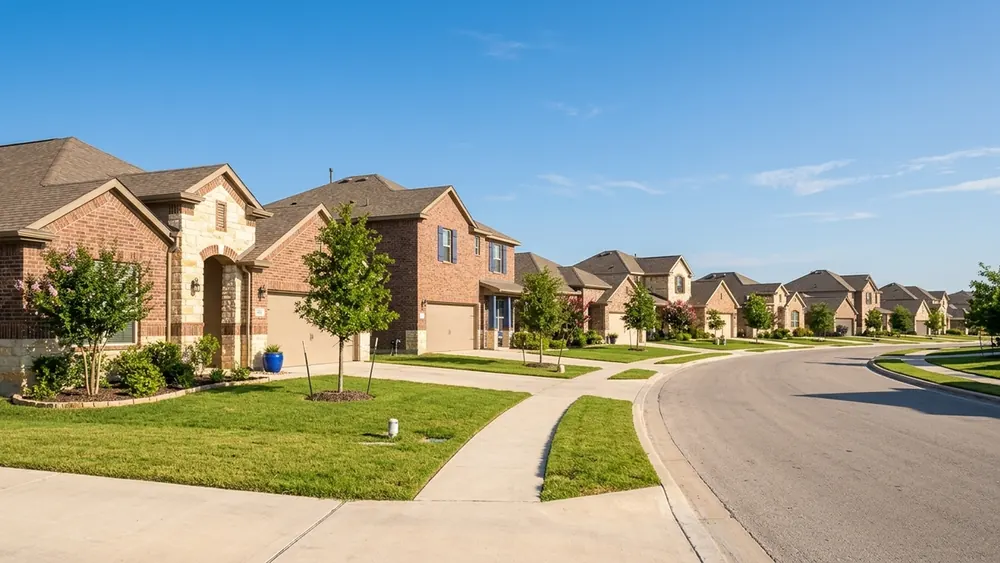
Compare Converse and Schertz against your own written list of needs, visit each at the times you would really be there, and confirm taxes, flood rules and city services with each city and the county offices before deciding.
On this page
Let your own list do the comparing
Compare Converse and Schertz by starting with your own list, not with a reputation. Write down what your next home needs to do for daily life, then test each town and each home against that list by visiting at the times you would actually be there. Confirm taxes, flood rules and city services with each city and the county offices. Neither town is ranked here, because the right fit depends on your routine rather than on a general verdict.
This matters because downsizers often hear plenty of opinions about where to go next. Friends, relatives and online comments can all sound confident, yet none of them is living your routine. A choice made on secondhand impressions can leave you with a home that fits someone else’s idea of the next stage of life. A choice made against your own list is easier to explain to family and easier to feel settled about once the move is done.
This article lays out a calm way to make that comparison. It covers building your list before you visit, seeing each town on your own terms, the facts to confirm with official sources, a simple worksheet you can fill in side by side, when the search might widen beyond both towns and what to bring to a first conversation. It offers no market statistics, no price talk and no predictions about either place.
Build your list before any visit
Before you look at a single home in Converse or Schertz, spend some time on the list itself. Think about how you spend an ordinary week: where you go, who you see and what you do at home. Then think about the home that supports that week. A downsizer’s list usually covers the size of the home, the amount of upkeep you want, the layout and how close you want to stay to people and places you already rely on.
Separate the must-haves from the nice-to-haves. A must-have is something you would turn a home down over, such as a layout that works for you or a yard you no longer want to maintain. A nice-to-have is a preference you would trade away for the right home. Keeping the two apart stops a single appealing feature from pulling you toward a home that misses something you truly need day to day.
If family members are part of the decision, share the list with them before any visits. Ask them to add questions rather than opinions about the towns. This keeps everyone focused on how a home and its surroundings would work for you, instead of turning the search into a debate about places. It also means that when you do visit, everyone is looking for the same things and can compare notes afterward without talking past each other.
Seeing each town on your own terms
Visit Converse and Schertz at the times you would really use them. If your week centers on morning errands, go in the morning. If you spend evenings out, go in the evening. Take your list with you and make short notes after each stop. The goal is not to form an overall impression of a town, but to see whether the specific routines on your list would work from a specific home.
Look at homes in both towns with the same questions in mind. Does the layout match how you live now? How much upkeep does the yard and exterior seem to ask for? Are there association rules that would shape how you use the property? Asking the same questions everywhere makes the comparison fair, and it keeps one memorable visit from outweighing a less memorable one that might actually suit your list more closely.
Give yourself permission to revisit. A first visit often shows you what you forgot to put on the list, and a second visit lets you check the new questions. There is no need to rush this step. Taking the time to see each option more than once is usually more useful than adding more homes to the tour, and it keeps the decision anchored to your routine rather than to a first impression.
Facts worth confirming with official sources
Some of the most important facts about a home in Converse or Schertz are not opinions at all. They are rules and figures that vary by address and change over time, so the right move is to confirm them with the source that owns them. Treat each of these as a question to ask for the specific home you are considering, not as something to assume from a general impression of the town.
- Property tax questions for the exact address, asked of the county office that covers it
- Flood rules and city services, confirmed with the City of Converse or the City of Schertz
- Association rules and fees, read directly in the association documents for that home
- Insurance questions for the property, taken to an insurance agent before you commit
Bexar County and Guadalupe County offices are the places to start for property tax questions, and the cities of Converse and Schertz can answer questions about their own services and rules. A licensed home inspector can tell you about the condition of a particular home. Keeping these answers in one place, next to your list, makes the comparison between your final options much clearer when the time comes to decide.
A side by side comparison worksheet
A simple worksheet can keep the comparison organized. Use the questions below for each home you seriously consider, whether it sits in Converse, Schertz or another town on your list. Fill in a column for each home rather than for each town, because the details that matter most belong to the home itself. The table shows the questions, why each one matters and who can give you a reliable answer.
| Question | Why it matters | Who to ask |
|---|---|---|
| Does this home fit my weekly routine? | Daily life is the main reason for the move | You, after visiting at real times |
| How much upkeep does it ask for? | Downsizing often aims to reduce maintenance | A licensed home inspector |
| What are the property taxes here? | Taxes vary by address and affect monthly costs | The county office that covers the address |
| Are there association rules or fees? | Rules can shape how you use the property | The association documents for that home |
| What city services and flood rules apply? | These differ by city and by address | The City of Converse or City of Schertz |
Once the worksheet is filled in, read it alongside your list of must-haves. A home that answers every question well but misses a must-have is still a miss. A home with a few open questions may simply need another call to the right office. The worksheet is not a scoring system; it is a way to see clearly what you know, what you still need to find out and who can tell you.
When the search should look wider
Sometimes the list shows that neither Converse nor Schertz has the right home for you at the moment. That is not a failure of the search. It may simply mean widening to Northeast San Antonio or to supporting corridor towns such as Universal City, Cibolo or Selma, using the same list and the same worksheet. The method stays the same; only the set of homes you compare changes.
Widening should be a deliberate choice rather than drift. Before you add a town, ask whether it changes anything on your must-have list, and visit it on the same terms as the others. Adding places one at a time, with the same questions each time, keeps the search manageable. It also keeps family conversations focused, because everyone can see why a new option was added and how it compares.
Getting ready for a first conversation
Before you talk with anyone about the move, pull your notes together. A first conversation goes further when you arrive with a few written pieces rather than a general sense of wanting something smaller. These do not need to be polished. They simply give the conversation a starting point that reflects your own situation, so the time goes toward your questions rather than toward rebuilding the basics.
- Your written list of must-haves and nice-to-haves for the next home
- Notes from any visits to Converse, Schertz or other towns you are considering
- Open questions for official offices, an insurance agent or a home inspector
- A rough sense of whether you plan to sell first, buy first or line both up
When you are ready, bring your list and your questions to Amanda Smith. Start with what you are trying to figure out about Converse, Schertz and the wider Northeast San Antonio corridor, and work through the comparison one home at a time. There is no need to have chosen a town first. The aim is to leave with a clearer view of your options and a practical next step.
This article is general information about buying and selling homes in Northeast San Antonio, Converse and Schertz. It is not legal, tax, lending, probate, landlord-tenant or inspection advice and does not predict prices or promise results. Take divorce, probate and landlord-tenant questions to an attorney, tax questions to a tax advisor, financing to a lender, property condition to a licensed home inspector, and taxes, schools and flood rules to official city and county sources. Amanda Smith, IH-10 Realty.

Written by