Divorce Home Sales
How do divorce-related sales differ from ordinary listings in Northeast San Antonio?
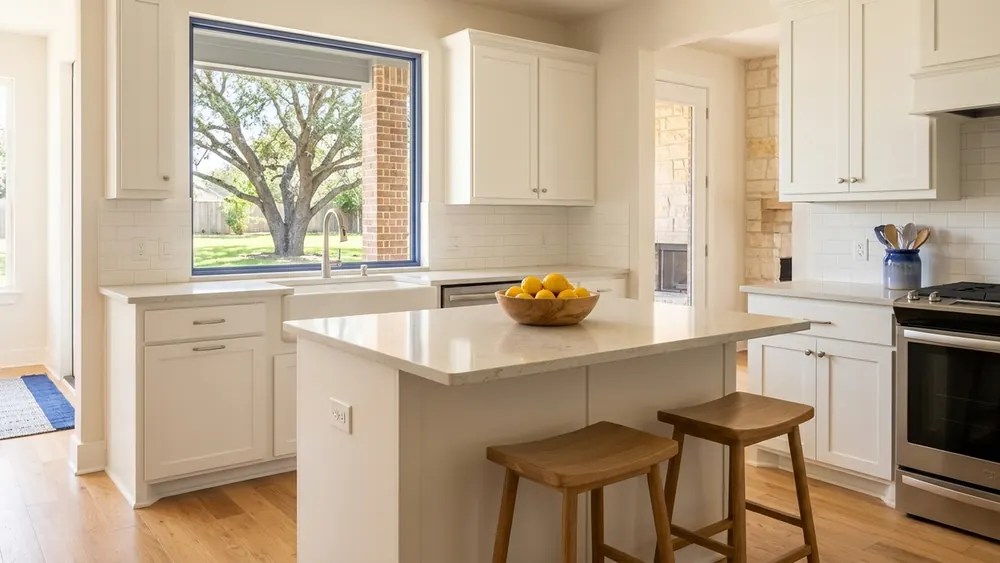
A divorce-related sale usually involves more decision-makers, more coordination around access and offers, and a timeline shaped by legal steps outside the real estate process. The home itself is marketed much like any other listing.
On this page
Where the real difference lies
A divorce-related sale in Northeast San Antonio differs from an ordinary listing mostly in how decisions get made, not in how the home is marketed. Photos, pricing conversations, showings and offers all follow a familiar path. What changes is that two owners, often with two attorneys, need to agree at each step, and the timing of the sale may depend on legal steps that sit outside real estate. In other words, the house is sold much the same way; the people around it are organized differently.
That distinction matters because it tells you where to focus your energy. You do not need a completely different kind of sale. You need a clearer structure around the same steps: who approves what, how information is shared, and how the real estate timeline lines up with what your attorneys are working on. Getting that structure right early tends to make the rest feel more ordinary. It also helps both owners see that the process has a shape they can follow.
This article compares the two kinds of listings side by side so you can see which parts need extra planning. It stays on the real estate side throughout. Questions about division of proceeds, custody, settlement or court timing belong with a family law attorney, and nothing here is meant to answer them. Amanda Smith helps co-owners keep the real estate next steps clear.
More people need to say yes
In an ordinary sale, a household usually talks things over at home and gives one answer. In a divorce-related sale, two owners may be living apart, communicating through attorneys or simply preferring to keep conversations short. That means the listing process needs a way to collect two approvals for anything that matters, from the list price approach to a counteroffer. Building in that step from the start keeps a buyer from waiting while approvals are gathered.
It helps to decide early which choices need both owners and which can be delegated. Some co-owners agree that one person will handle showing schedules while both sign anything involving price or terms. Others prefer that both are copied on everything. There is no single right answer, and your attorneys may have guidance on what makes sense for your situation, so ask before you lock in an approach.
Whatever you choose, write it down and share it with everyone involved. A short summary of who approves what saves time when an offer arrives late in the day or a buyer asks for a repair. It also reduces the chance that one owner feels left out of a decision, which can slow the next step more than any market factor.
Access and condition need more planning
With an ordinary listing, the owners usually live in the home, keep it ready and step out for showings. During a divorce, one owner may still live there, both may have moved, or the home may be partly emptied. Each version changes how showings are scheduled, who keeps the home presentable and who is the contact when something unexpected comes up. Settling these roles before listing means nobody is caught off guard by a showing request.
Condition is a related question. Ordinary sellers often decide on small repairs or cleaning in a single conversation. Co-owners may see those choices differently, especially when someone has to pay for them. Agreeing in advance on what will be done before photos, and how costs will be handled, keeps a simple task from becoming a sticking point. Your attorneys can tell you whether anything about costs needs their review.
Whether the home is in Converse, Schertz or elsewhere in Northeast San Antonio, these access and condition questions look much the same. Amanda can explain how showings and preparation are usually handled so both owners know what is involved, and you can choose together what fits your household rather than following a general idea of how it should go. The town matters less here than the arrangement between the two owners.
Timing follows more than the market
An ordinary listing is often timed around the sellers’ next move or personal schedule. A divorce-related sale may also need to fit around legal steps, and those steps are not something a REALTOR® can predict or set. Before choosing a list date, it is worth asking your attorneys a few questions about how the sale fits into their work.
- Whether the sale can proceed before the legal process is finished
- Who needs to sign the listing agreement and the purchase contract
- Whether any documents need attorney review before either owner signs
- How sale proceeds are expected to be handled at closing
Once you have those answers, the real estate timeline becomes much easier to plan. Amanda can walk through how preparation, listing and showings usually unfold, so you can line them up with what your attorneys have told you. The goal is a plan both owners understand, rather than a schedule built on assumptions that may not hold.
The two listings compared side by side
The comparison below shows where a divorce-related sale tends to need extra planning and who usually answers each question. It is a general guide, not a rule, because every situation is different. Use it as a starting point for your own list of questions, and bring any legal or financial items to the professionals named in the last column. The point is to see the differences in one place before the listing begins.
| Step | Divorce-related sale | Who to ask |
|---|---|---|
| Approving the listing | Both owners may need to agree and sign | Your attorneys, then Amanda |
| Showings and access | Planned around one or two separate households | Both owners with Amanda |
| Repairs and preparation | Costs and choices agreed in advance | Both owners, attorneys if needed |
| Reviewing offers | Shared with both owners in an agreed way | Amanda, with attorney input |
| Closing and payoff | Proceeds handled as the legal process directs | Title or closing professional, attorneys |
Notice that the marketing itself does not appear in the table. That is because it looks much the same as any other listing. The extra work in a divorce-related sale is coordination, and the table is really a map of who needs to be in each conversation. Sharing it with both owners early can head off confusion later. It can also be a calm way to start a conversation about roles.
Offers and communication need a plan
In an ordinary sale, an offer arrives, the sellers talk it over and respond. In a divorce-related sale, both owners need to see the offer, consider it and agree on a response, sometimes after checking with their attorneys. Without a plan, that can take longer than a buyer expects. Deciding ahead of time how offers will be shared and how quickly each owner can respond helps. A clear plan also lets Amanda tell a buyer’s agent, honestly, how the response will come together.
Communication style matters too. Some co-owners are comfortable on a shared message thread. Others want separate updates with the same information sent to each person. Either can work, as long as both owners receive the same facts at the same time. Amanda can keep the real estate updates consistent so neither owner has to wonder whether they are missing something.
What to gather before talking it through
If you are weighing a divorce-related sale in Northeast San Antonio, Converse, Schertz or a nearby town such as Live Oak or Universal City, a little preparation makes the first conversation more useful. You do not need everything decided. Start with a few notes that each owner can add to. Each owner can jot down what they know, then compare notes, so the conversation starts from shared facts rather than separate assumptions.
- How the home is owned and whose names appear on the title
- Who currently lives in the home and how showings might work
- Any repairs or condition questions either owner already knows about
- Questions your attorneys have raised about the timing of a sale
When you are ready, bring those notes to Amanda Smith, a REALTOR® with IH-10 Realty. Tell Amanda what you are trying to figure out about the sale, and you can work through the real estate steps together at a pace that suits both owners, while the legal questions stay with your attorneys. There is no need to have every decision made before that first conversation.
This article is general information about buying and selling homes in Northeast San Antonio, Converse and Schertz. It is not legal, tax, lending, probate, landlord-tenant or inspection advice and does not predict prices or promise results. Take divorce, probate and landlord-tenant questions to an attorney, tax questions to a tax advisor, financing to a lender, property condition to a licensed home inspector, and taxes, schools and flood rules to official city and county sources. Amanda Smith, IH-10 Realty.

Written by