Tired Landlords
What should a tired landlord decide before exiting a rental in Converse or Schertz?
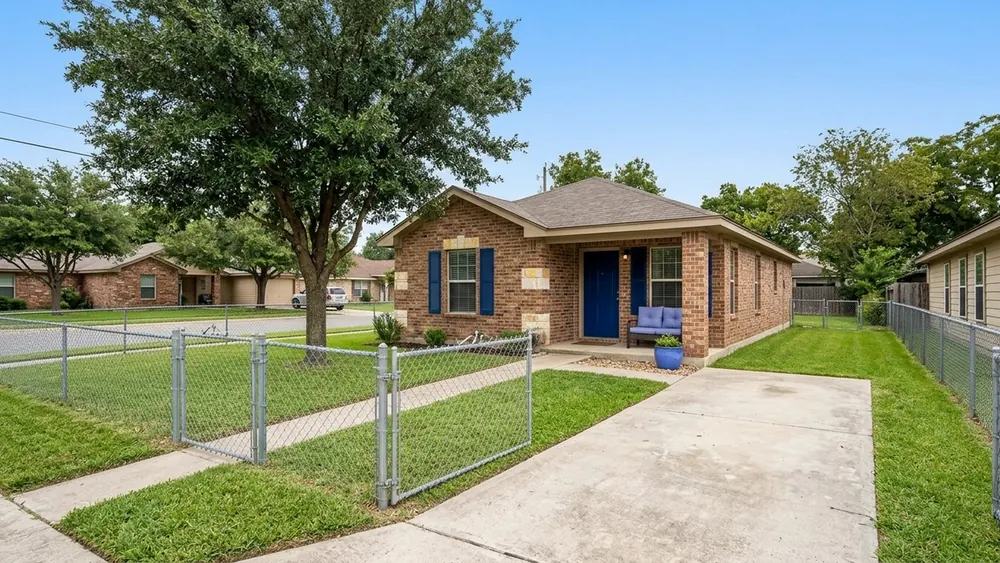
Before exiting a rental, decide whether the home will be vacant or occupied at listing, what records a buyer will ask for, and whether you are replacing the property or simply leaving the landlord role.
On this page
The short answer for a tired landlord
Before you exit a rental in Converse or Schertz, make three decisions. First, will the home be vacant or occupied when it goes on the market? Second, what records will a buyer ask to see, and can you put your hands on them? Third, are you replacing this property with another one, or are you simply stepping out of the landlord role? Those three answers shape almost everything that follows.
Each decision pulls on the others. A vacant home changes how you prepare, show and time the sale. An occupied home changes who you need to coordinate with and what a buyer can see. A plan to replace the property brings a tax advisor into the conversation early, while a clean exit may mean the focus stays on readiness and a calm listing plan. Leaving one of them undecided tends to leave the rest of the plan unsettled as well.
This matters because tired landlords often start in the middle. They call about price before they know whether the tenant will still be there, or they list before the lease paperwork is in order. Sorting the three decisions first gives you a clear order of steps, fewer surprises, and a sale that fits the reason you wanted out in the first place. It also makes each conversation with a professional shorter, because you arrive knowing what you are actually asking them.
Why the landlord role starts to wear
It helps to name what is actually tiring you, because the reason points to the right kind of exit. Some owners are worn out by repairs and turnover. Others want their time back, or their plans have changed and the property no longer fits. Write your reason down in a sentence. It will guide decisions about timing, condition and whether you want to stay in real estate at all. A landlord who wants time back may value a simpler process, while one with changed plans may care most about timing.
- Repairs, turnover and calls that keep landing on your weekends
- A tenant situation you would rather not carry into another lease
- A change in your own plans, household or location
- A wish to simplify what you own and manage going forward
Three decisions to make in order
Work through the decisions in a steady order rather than all at once. Each one narrows the next, and together they turn a vague wish to be done into a plan you can act on. Bring the questions that go beyond real estate to the right professional as you reach them, not after the home is listed. Write each answer down as you go, so the plan stays on paper instead of only in your head.
- Decide whether you are exiting for good or replacing the property
- Ask a tax advisor how a sale could affect your situation
- Review the current lease with an attorney if timing is unclear
- Choose vacant or occupied status based on the lease and the condition
- Gather the records a buyer is likely to ask about
Vacant or occupied changes the plan
A vacant rental gives you room to work. You can make repairs, clean, refresh and show the home on a schedule that suits the market and you. The tradeoff is that a vacant home stops producing rent while you prepare it, and carrying costs keep running. Ask yourself how long you are comfortable carrying the property empty before you choose this route. If the home needs real work, the vacant route often makes that work easier to schedule and finish properly.
An occupied rental keeps the lease in place while you sell, but it asks more of everyone. Showings need to be arranged around a tenant, the home may not look the way you would present it, and some buyers will want to know exactly what the lease says. A clear, respectful plan for access matters here, and the rules around notice and entry are questions for an attorney. Some tenants are glad to help, and others find a sale stressful, so plan for either response.
There is no single right answer. The choice depends on the lease, the condition of the home, your relationship with the tenant and your own timing. Amanda Smith can walk through how each path would look for your specific property in Converse or Schertz, so you can compare them side by side before you commit to one. Seeing both paths laid out plainly often makes the right choice for your property easier to recognize.
Replacing the property or simply leaving
Some landlords want out of one property but not out of real estate. Others want out of the landlord role completely. Those are different decisions with different questions attached, and it is worth knowing which one you are making before a listing goes live. If replacement is part of the plan, talk with a tax advisor first, because the sequence of steps can matter. Replacement questions can shape the order of the sale, so they are worth raising before anything else is scheduled.
If you are simply leaving, the questions get simpler but not smaller. What will you do with the proceeds? Is anyone else on title who needs to agree? Are there lender payoff details to confirm? A title or closing professional and your lender can answer the payoff and title questions, while Amanda focuses on the listing, the showings and the sale itself. Keeping those roles clear means each question reaches the person who can actually answer it.
I ask landlords to decide why they want out before we talk about price. Once the reason is clear, the order of the next steps usually follows.
Records and readiness a buyer will expect
Buyers of rental homes tend to ask practical questions. What does the lease say, and when does it end? What repairs have been done, and when? Are there permits, warranties or service records? Having these organized before you list helps a buyer understand the home and helps you answer questions calmly instead of hunting for paperwork in the middle of a negotiation. If some records are missing, say so plainly rather than guessing.
Readiness also means looking at the property honestly. A licensed home inspector can tell you what a buyer’s inspection is likely to find, and that knowledge lets you decide what to repair, what to disclose and what to leave alone. Questions about permits or city services belong with the City of Converse, the City of Schertz or the relevant county office. Insurance questions about a vacant or occupied home belong with an insurance agent, who can review your actual policy. Knowing the answers ahead of time keeps the listing honest and the negotiation steadier.
What to gather before a first conversation
You do not need everything in hand to start, but a short list makes the first conversation far more useful. Write down your reason for exiting, whether you plan to replace the property, and what you know about the lease. Pull together repair notes, utility details and any warranties. Note who is on title and whether anyone else needs to be part of the decision. Even rough notes are useful, because they show where the gaps are.
Then write down the questions you are not sure about. Which ones are about the sale, and which belong with a tax advisor, an attorney, a lender or a title professional? Sorting them this way keeps each conversation focused and keeps you from treating a real estate answer as legal or tax advice, or the other way around. A simple two-column list, real estate questions on one side and everything else on the other, works well for most landlords.
When you are ready, bring that list to Amanda Smith at IH-10 Realty. Tell Amanda what you are trying to figure out about your rental in Converse, Schertz or elsewhere in Northeast San Antonio, and you can work through the readiness questions together, at your pace, before you decide anything about listing. There is no pressure to list on any particular schedule, and a first conversation is simply a chance to see the options clearly.
This article is general information about buying and selling homes in Northeast San Antonio, Converse and Schertz. It is not legal, tax, lending, probate, landlord-tenant or inspection advice and does not predict prices or promise results. Take divorce, probate and landlord-tenant questions to an attorney, tax questions to a tax advisor, financing to a lender, property condition to a licensed home inspector, and taxes, schools and flood rules to official city and county sources. Amanda Smith, IH-10 Realty.

Written by